What to Expect During a Roof Replacement Day in North Idaho
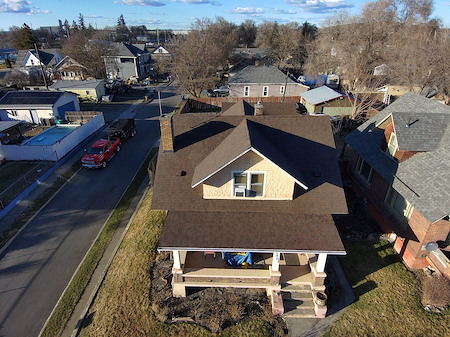
Curious what really happens during a roof replacement day in North Idaho? Here is a simple, step-by-step look at how Remedy Roofworks plans, protects, and installs so your Hayden home gets a sturdy new roof with as little disruption as possible. If you want the full rundown of our process, see our detailed roof replacement service page.
Our crews work across Hayden, Hayden Lake, Dalton Gardens, and nearby neighborhoods. Weather can be brisk in the morning and warm by afternoon, so timing matters. You will meet a friendly lead, see organized activity, and end the day with a cleaner property than you might expect.
Before Crew Arrival: Simple Prep That Makes a Big Difference
The day before installation, your scheduler confirms start time and delivery details. You do not need to lift a finger for the work itself, but a few small steps help the day go smoothly and keep your property safer.
- Park vehicles on the street so the driveway is open for material delivery and a dump trailer.
- Move patio furniture, grills, and potted plants away from the house perimeter.
- Secure pets indoors and choose a quiet room; roofing is loud, and doors open and close frequently.
- Close window coverings and consider covering stored items in the attic to reduce dust on personal items.
- Turn off automatic sprinklers the night before.
Morning Kickoff: Materials, Protection, and Safety
Material pallets arrive either the afternoon before or the morning of installation. The crew places driveway protection boards and sets up a safe work zone. Ladder locations, tarps, and plywood shields protect siding, gutters, and planting beds. Your crew lead does a quick walk-around with you to confirm access, point out fragile landscaping, and answer last-minute questions.
You will notice a clear plan: staging on one side of the driveway, debris routed into the trailer, and protective barriers at the roof edge. This organization keeps traffic predictable and helps the project stay on schedule.
Tear-Off and Deck Inspection: What Happens First
Old shingles, underlayment, and flashings come off in sections. Workers sort metal and debris as they go, keeping the site as tidy as possible. As each section is cleared, the lead inspects the roof deck for signs of rot, soft spots, or loose sheathing. Minor sheet repairs are common in homes near tall pines where trapped moisture can linger along eaves.
Deck repairs can add time because the team will only install new materials over a sound, dry deck. This is a good thing. A straight, solid base means your new roof will lay flat and seal properly.
North Idaho Weather Realities: Why Start and Stop Times Can Shift
Roofing here is shaped by the season. In spring and fall, crews sometimes start a bit later to allow frost to melt. In summer, sudden lake-effect gusts or a brief shower may pause work for safety. In winter, short daylight windows limit progress. Your crew will communicate any pauses and resume the moment conditions allow, because clean, dry surfaces are key to long-term performance.
Underlayment, Ice Shield, and Flashing: Building the Weather Barrier
Once the deck is ready, the team installs underlayment and self-adhered ice protection in eaves and valleys, which is especially important after our heavy, wet snows. Next comes fresh flashing at chimneys, sidewalls, and skylight curbs. These details are the unsung heroes of a dry home. Proper metal transitions and sealed penetrations keep meltwater out during freeze-thaw cycles common around Hayden Lake and wooded lots near Dalton Gardens.
If the crew spots a ventilation imbalance, they may adjust intake and exhaust components to improve airflow. Balanced ventilation reduces summer attic heat and winter ice dams. If you want to understand how a pro evaluates these items, explore our plain-English guide to annual roof inspections for North Idaho.
Shingles or Panels: The Installation Rhythm and Noise
With the weather barrier set, your new shingles or panels go on. Expect a steady rhythm of nailing. The crew works in a pattern that prevents trapping cutoffs or debris and keeps foot traffic moving away from completed areas. Ridge caps, pipe boots, and vents are installed last so finishes align and seal correctly. It is normal for a home to rumble a bit during this phase, especially on second-story or vaulted sections.
Ventilation and Small Details That Add Years
Little things protect your roof over time. Proper starter courses at eaves, clean valley lines, and snug step flashing at sidewalls are the difference between a roof that looks good and a roof that stays good. Ridge vents should run straight and free of gaps. Pipe boots must be sized to the vent and seated under the shingles in the right sequence. When these details are done well, the whole system breathes and sheds water the way it should.
Site Care and Cleanup: What You’ll See on the Ground
Throughout the day, crew members collect debris and run rolling magnets in work zones. Gutters are cleared where the team worked, and tarps come down only after the area is clean. Keep kids and pets away from work zones until the final magnet sweep is complete. A last walk-through confirms your lawn, beds, and driveway are tidy.
How Long Does a Roof Replacement Take Here?
Most single-family homes in our area finish in about one to two days, depending on size, pitch, and complexity. Weather, deck repairs, and extra features like multiple dormers can extend the schedule. Short winter days and morning frost also affect pacing. Your lead will give updates so you always know what is next. To see how we plan and sequence a project, browse our main page for roof replacement.
Noise, Access, and Daily Life: What to Expect Indoors
Roof replacement is noisy. You will hear scraping, thumps, and nail guns. If you work from home, consider a headset or plan a few hours away during the tear-off window. Sensitive pets do best in a closed room far from active areas. If you store valuables in the attic, cover them before the crew arrives to keep dust off personal items.
Rain Checks and Reschedules: Protecting Your Warranty
If a pop-up shower rolls in, crews will pause and secure open areas. This protects the deck and helps sealants cure correctly. Quality beats speed every time, and a brief weather delay today prevents callbacks tomorrow. You will receive clear communication and revised timing if the weather refuses to cooperate.
After the Crew Leaves: A Few Simple Next Steps
- Walk the property with your lead and note any spots you want a second look at.
- Put vehicles back once the trailer is removed and the final magnet sweep is complete.
- Watch the first rain from indoors; if you notice anything unusual, call us right away.
If you like staying ahead of problems, scheduling routine roof inspections keeps your new roof performing through our freeze-thaw swings and summer heat.
Local Context: North Idaho Homes and Common Questions
Homes near Hayden Lake and shaded streets often collect more needles and moss at eaves. Open lots on the Prairie feel more wind. Those differences change how crews stage tarps, where we focus magnet sweeps, and how we tune ventilation. The goal is the same everywhere: a dry, balanced system that sheds water and breathes year-round.
If you want a deeper primer on materials, seasons, and timelines across the region, our homepage has an easy starting point. Learn the essentials of north idaho roof replacement in plain language and see why neighbors trust Remedy Roofworks for careful planning and tidy jobs.
Ready to Replace Your Roof the Right Way?
When you are ready, call 208-217-5173 or set a time online. Our estimator will confirm details, explain next steps, and outline how we protect your home at every stage. You can also review the service overview for roof replacement to see how our process fits North Idaho’s climate and your schedule.
Your home deserves a roof that stands up to North Idaho weather. With Remedy Roofworks, you get clear communication, clean job sites, and a result built to last.
Protect Your RoofWith Our Roofers In Coeur d'Alene